Debunking common casino myths for smarter gambling decisions
Debunking common casino myths for smarter gambling decisions
The Gambler’s Fallacy: Luck vs. Probability
One of the most pervasive myths in gambling is the gambler’s fallacy, which suggests that past events influence future outcomes in random games. Many players believe that if a particular number hasn’t come up in a while, it is “due” to hit soon. This misunderstanding stems from a lack of knowledge about probability and randomness, which dictate that each event is independent and unaffected by previous outcomes. Players might find themselves distracted by the allure of an aviator game, believing it could influence their chances, but understanding these concepts is vital.

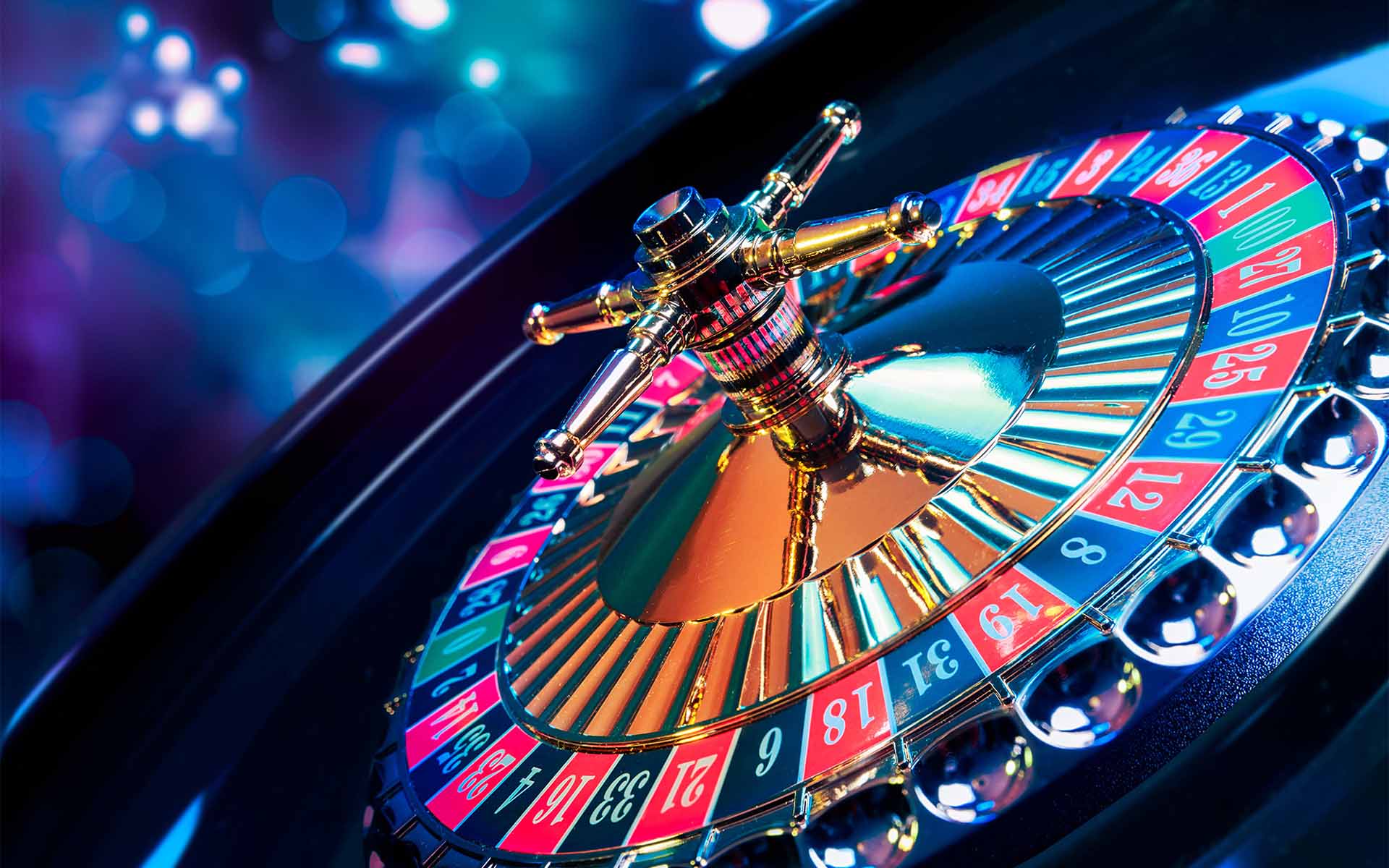
Understanding the nature of probability is crucial for making smarter gambling decisions. For instance, a roulette wheel does not remember past spins. Each spin is an isolated event, and each number has the same chance of appearing every time. Recognizing this can help players avoid irrational betting patterns and instead focus on strategies that are based on sound logic rather than superstition.
Hot Streaks and Cold Streaks: The Illusion of Patterns
Another myth that often entraps gamblers is the belief in hot and cold streaks. Players might feel that if a slot machine has paid out frequently, it will continue to do so, or conversely, if it hasn’t paid out in a while, it is less likely to do so. This perception can lead to poor decision-making, as players chase losses or miss out on potential winnings based on flawed reasoning.
The reality is that slot machines and other games of chance operate on algorithms that ensure fair play. The outcomes are random and not influenced by previous results. Educating oneself about how these machines and games function can help gamblers make more informed choices and maintain a healthier approach to their gaming experience.
The House Edge: Understanding Casino Profitability
A common misconception is that all games in a casino have the same odds and that players can easily beat the house. In reality, every game comes with a built-in house edge, which ensures that, over time, the casino will always make a profit. Understanding the house edge for each game allows players to make more strategic decisions about where to place their bets.
For example, games like blackjack and poker offer better odds for players compared to others like slots or roulette. By choosing games with a lower house edge, players can enhance their chances of winning. A thorough understanding of the mathematics behind each game can lead to smarter betting strategies and ultimately a more enjoyable gambling experience.
The Myth of ‘System Betting’: Why It Doesn’t Work
Many gamblers believe in betting systems that claim to guarantee wins, such as the Martingale system or Fibonacci betting. These systems often involve increasing bets after losses in the hope of recovering funds. However, relying on such methods can lead to significant financial losses, as there is no guaranteed way to overcome the house edge.
The fallacy of system betting lies in the assumption that past losses can be compensated by future wins. In reality, gambling outcomes remain random, and no system can alter that fundamental truth. Players should be cautious of any system that promises assured winnings and instead focus on responsible gambling practices to ensure an enjoyable experience.

Smart Gambling: The Role of Knowledge and Strategy
Gambling smarter requires a combination of knowledge, strategy, and self-awareness. Understanding the myths surrounding gambling can help players make better decisions and avoid common pitfalls. The key is to approach gambling as a form of entertainment rather than a way to make money, which can reduce the pressure and increase enjoyment.
By educating oneself on the realities of odds, probability, and game mechanics, players can develop strategies that align with their goals and risk tolerance. Responsible gambling practices, including setting limits and recognizing when to walk away, can lead to a healthier relationship with gaming and improve overall satisfaction.